
Natural Organic Reduction (aka human composting)
Thank you to NORBC for this article on natural organic reduction
A lot of people will tell you that they’d love for their body to “return to the earth” after death. It’s a beautiful sentiment that evokes the idea of life coming full circle, with a final act that ensures that our corporeal form is folded back into nature while making as light of an impact on the environment as possible.
But what does returning to the earth actually look like in practice?
For years, our eco-friendly disposition options have been limited by both available technologies and local laws. If your cemetery of choice offers it, you can have a green burial. This practice assures that your body will eventually break down naturally over time, but it uses already limited land space. Cremated remains can be scattered in nature, but they do not nourish the land.
But there’s another, more efficient way: it’s called natural organic reduction, and it’s one of the fastest and most natural methods of body disposition available today.
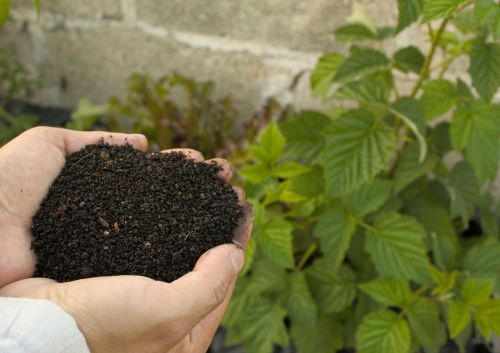
Natural organic reduction recreates the processes of decomposition in a green burial by gently transforming bodies into nourishing, enriching soil. After death, the body is placed in an individual container where it is carefully tucked into a mixture of biodegradable materials and introduced to air to create the perfect conditions for decomposition. At the end of the roughly 30–60-day process, what remains is a rich soil, derived directly from our bodies and accompanying organics.
With natural organic reduction, our last act can be a gift back to the earth.
To bring natural organic reduction to B.C., the provincial government first must amend the Cremation, Interment and Funeral Services Act to explicitly include the practice. Advocacy groups like NORBC are working to spread awareness and encourage legislative reform. If you’d like to learn more and find out how you can get involved, please visit their website at NORBC.ca